How to Sell a Luxury House: Strategies, Technology, and Real-World Examples for 2025
Selling a luxury home requires more than listing it online; it’s an art that blends storytelling, data-driven marketing, and personalized buyer experiences. Unlike traditional properties, luxury homes represent exclusivity, architecture, and prestige. In this guide, we’ll explore in-depth strategies, advanced technologies, and real-world examples that redefine how to sell luxury houses effectively in 2025.
Understanding the Luxury Real Estate Market
The luxury housing market operates differently from standard real estate. Buyers in this segment are not motivated solely by necessity; they seek prestige, location, design, and investment value. Selling a luxury house requires understanding this psychology.
Luxury buyers expect a personalized experience. They want to feel the property’s story, its architecture, interior design, and exclusivity. The marketing approach must therefore highlight emotional appeal while providing transparency and sophistication.
Additionally, the luxury market fluctuates with global economic trends. Factors such as interest rates, international investor behavior, and the rise of digital home tours significantly shape how these properties sell.
What Defines a Luxury Home?
A “luxury house” is defined not just by price but by distinct features such as location, design quality, architecture, and exclusivity. Properties in prime neighborhoods like Beverly Hills, Manhattan, or London’s Kensington often exceed $2 million but, more importantly, offer privacy, panoramic views, and smart-home technology.
Buyers in this category expect world-class amenities, such as infinity pools, spa rooms, cinema lounges, and private wine cellars. Selling such homes involves marketing a lifestyle rather than a structure.
Key Challenges When Selling Luxury Houses
Attracting Qualified Buyers
Finding serious, high-net-worth buyers is one of the biggest hurdles. Unlike mid-range homes, luxury properties appeal to a smaller audience, which makes targeted marketing essential.
Pricing Strategy
Overpricing can stall the sale for months, while underpricing can lead to a loss in perceived value. Accurate pricing requires understanding current market demand, local comparables, and unique home features.
Privacy and Discretion
Luxury homeowners often prioritize discretion. Agents and sellers must design marketing campaigns that maintain privacy while showcasing the property to the right prospects.
Effective Marketing Strategies to Sell a Luxury House
Create a Lifestyle Story
Luxury buyers want to imagine living in the home. Instead of focusing on square footage, emphasize unique experiences, sunset views, gourmet kitchens, or art-inspired architecture.
Use High-End Visuals
Professional photography and cinematic video tours are non-negotiable. Drone footage, 3D virtual tours, and twilight images create emotional engagement and help international buyers explore the property remotely.
Partner with Luxury Real Estate Networks
Platforms such as Sotheby’s International Realty, Christie’s Real Estate, and Compass Luxury Collection connect sellers to a global pool of affluent buyers.
Leverage PR and Social Media
Luxury homes often sell through word-of-mouth, but modern sellers amplify reach through platforms like Instagram, YouTube, and LinkedIn. High-quality visual storytelling and influencer collaborations can attract serious attention.
Benefits of Using Technology in Selling Luxury Houses
Modern technology plays a crucial role in connecting sellers with the right audience and creating immersive experiences.
Virtual Reality and 3D Tours
Virtual tours allow potential buyers to explore a luxury home from anywhere in the world. They simulate walking through the space, providing an emotional connection even before an in-person visit.
AI-Powered Market Analysis
Artificial intelligence helps determine optimal pricing by analyzing data from comparable sales, buyer behavior, and regional trends. This ensures sellers remain competitive without undervaluing their properties.
Smart Home Integration Showcases
Luxury homes often feature smart lighting, automated security, and climate control. Demonstrating these technologies during showings elevates perceived value and modern appeal.
Real-World Examples of Luxury Home Selling Success
Sotheby’s International Realty

Sotheby’s exemplifies luxury property marketing by combining heritage branding with cutting-edge tech. Its virtual reality tours and international reach make it a top choice for high-end sellers. The firm’s storytelling approach highlights each home’s cultural and architectural significance, attracting global investors.
The Agency (Beverly Hills)

Known for celebrity clientele, The Agency uses social media storytelling and cinematic film production to market multi-million-dollar homes. Their listings often go viral due to powerful narratives that frame homes as aspirational lifestyles.
Compass Luxury Division

Compass uses AI-driven insights and predictive analytics to identify potential buyers. Its digital tools track buyer behavior and recommend tailored marketing campaigns, making it a powerful example of data-enhanced real estate selling.
Knight Frank Global
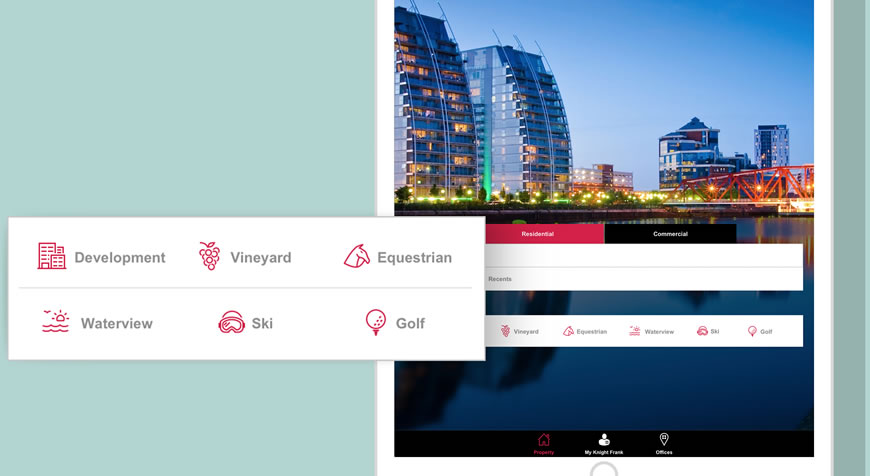
Operating in over 50 countries, Knight Frank offers international exposure for luxury homes. Their global wealth reports help sellers target high-net-worth individuals from emerging markets, particularly in Asia and the Middle East.
Benefits of Strategic Luxury Home Marketing
Strategic marketing enhances visibility and ensures qualified leads. Unlike standard listings, luxury homes require a mix of emotion and exclusivity to connect with discerning buyers.
By using personalized campaigns, sellers can achieve:
- Faster transaction times through targeted exposure.
- Enhanced perceived value through professional presentation.
- Global reach using digital and network-based strategies.
These methods reduce time on market and improve the likelihood of selling at or above the asking price.
Use Cases: How These Strategies Solve Real-World Problems
Case 1: Overcoming a Slow Market
A Miami luxury villa sat unsold for eight months. After implementing drone-based video tours and global social campaigns, the property sold in four weeks. This proves the power of immersive content in attracting buyers across continents.
Case 2: Selling During Economic Uncertainty
During a downturn, a seller in New York used AI-based market analysis to reprice the property based on predictive trends. The data-driven strategy increased inquiries by 30% and led to a successful sale.
Case 3: Privacy-First Marketing for High-Profile Clients
A Los Angeles mansion owned by a celebrity sold discreetly through invitation-only viewings arranged via encrypted digital listings. This approach maintained privacy while ensuring genuine buyer interest.
The Role of Real Estate Agents in Luxury Sales
Selling a luxury house requires collaboration with agents who specialize in high-value transactions. These professionals bring:
- Market expertise and buyer networks.
- Access to elite marketing tools.
- Experience in negotiation and confidentiality.
Top-tier agents also provide concierge-style service, staging homes, organizing private tours, and liaising with attorneys and financial advisors.
How Timing and Presentation Affect Luxury Home Sales
Timing the sale strategically, often during peak relocation or investment seasons, can greatly affect success. Meanwhile, presentation through staging and minor renovations can elevate perception. Luxury homes that are move-in ready typically attract offers faster and closer to the asking price.
Conclusion
Selling a luxury house in 2025 demands precision, creativity, and technology. The most successful strategies merge emotional storytelling with data intelligence—turning listings into immersive experiences that capture global attention. Whether through AI-driven pricing or cinematic home videos, the modern luxury seller must think like a brand, not just a homeowner.
Frequently Asked Questions
1. What makes a house a “luxury home”?
A luxury home is defined by exclusivity, location, architecture, and amenities rather than price alone. It offers exceptional design, privacy, and lifestyle appeal.
2. How long does it take to sell a luxury home?
Luxury homes typically take longer to sell than average properties, ranging from several months to a year, depending on market conditions and marketing strategy.
3. Do luxury homes sell better with agents or privately?
Working with specialized luxury real estate agents usually yields faster results. They have access to private buyer networks, exclusive marketing tools, and the expertise to navigate complex negotiations.