Selling Luxury Real Estate: From Strategy to Execution
Selling luxury real estate is a distinct discipline far removed from standard home sales. When a property is positioned in the upper echelon, success depends on narrative, presentation, exclusivity, and nuanced marketing. In this guide, you’ll find deep insights into how to sell luxury real estate effectively: strategies, the role of technology, real cases, benefits, use cases, and frequently asked questions.
What Makes Selling Luxury Real Estate Unique
Luxury real estate is not just about high price tags; it’s about perception, branding, and the emotional resonance of exclusivity. Buyers in this segment expect more: they demand privacy, seamless service, attention to detail, and a property that reflects a lifestyle, not just shelter.
Because the buyer pool is small, every misstep (in marketing, pricing, visuals, or presentation) is magnified. Luxury listings often require longer gestation periods, delicate negotiations, and subtle positioning. Unlike average homes, luxury homes often derive much of their value from intangible assets: views, prestige, architectural pedigree, private amenities, or legacy.
One oft-cited principle is that in luxury real estate, storytelling matters as much as square footage or features. As one seasoned real estate strategist notes: “The secret is in asking the right questions and listening carefully to the stories of the seller and the buyer… once the space and the story are clear, marketing is the tool for storytelling.”
Thus, to sell luxury real estate, you must go beyond conventional tactics: you must craft a narrative, curate perception, and deliver excellence at every turn.
More Strategies for Successful Luxury Real Estate Sales
Know Your Buyer Profile Deeply
To market to affluent buyers successfully, you must understand their values, motivators, and expectations. Luxury clients differ not just economically, but psychologically, from younger entrepreneurial wealth to legacy high-net-worth buyers, from domestic to international buyers. The messaging, amenities to highlight, and channels you use must align with the persona.
Use data and research to segment buyers: What media do they consume? What design styles appeal to them? What concerns drive their decisions: security, privacy, legacy, sustainability, or status? Tailoring messaging to these insights increases resonance.
Price Thoughtfully and Strategically
In luxury real estate, pricing is more art than pure comparables. Overpricing can make the property stagnate; underpricing may damage perception. You must balance aspirational value with market realities.
A robust pricing strategy considers intangible value (location, views, architectural prestige), competing luxury listings, and psychological framing. Some agents use anchoring: setting a confident premium, then positioning negotiations around value. Others release a “soft unveiling” to a private buyer list first to test demand without publicly listing. Because timing and perception are tightly linked, price adjustments must be handled skillfully.
Craft Premium Visuals & Media
Luxury buyers expect excellence in presentation. High-resolution photography, drone imagery, twilight shoots, cinematic videos, and immersive virtual tours are non-negotiable. These media do more than showrooms; they evoke emotion and lifestyle.
Visual storytelling should emphasize character, how light plays across spaces, transitions between inside and outside, and context (views, landscaping, surrounding amenities). Aerial views can underscore scale, privacy, and property relationships to the neighborhood or geography.
Media must be consistent across all touchpoints: brochures, websites, video, social media, print, and presentations. In luxury, the visual brand must match the property’s implied prestige.
Employ Selective & Exclusive Marketing Channels
Unlike broad marketing, luxury listings benefit from a curated approach. Some effective channels include:
- Private previews for qualified buyers only
- Invitation-only events or broker open houses with a luxury ambiance
- Luxury lifestyle publications, magazines, and niche media
- High-end digital platforms and portals that cater to affluent clientele
- Partnerships with premium brands (automotive, fashion, art) to co-promote
- Concierge-style outreach (direct mail, personal touches, bespoke presentations)
Using exclusivity and curated exposure helps maintain the aura and avoids commoditizing the listing.
Position Experience & Service as a Differentiator
When selling at the luxury level, clients expect a white-glove experience. Your service should feel bespoke: confidentiality, seamless communication, bespoke tours, attentive handling of details, and supporting luxury concierge services if needed. The transaction is as much about the journey as it is about the result.
Agents who emphasize luxury service build trust and differentiate themselves not just by selling real estate, but by offering a premium process.
Role of Technology in Selling Luxury Real Estate
Technology is a force multiplier in modern luxury sales. When paired with a refined strategy, it enables global reach, compelling presentation, and analytical precision.
Virtual & Immersive Experiences
Virtual reality tours, 3D walkthroughs, augmented reality staging, and immersive presentation tools allow distant or international buyers to experience the property as though they were there. This is particularly valuable when buyers cannot physically visit near the final decision. These tools help accelerate trust and reduce friction.
Analytics & Engagement Tracking
Modern listing platforms and agent tools provide behavioral analytics: which images attract attention, how long viewers linger in a space of the virtual tour, which rooms get revisited, and which ad campaigns drive clicks. These insights allow you to sharpen messaging, swap visuals, and reallocate marketing spend.
Automated Marketing Tools & Personalized Campaigns
Email drip campaigns, retargeting ads, dynamic property landing pages, and personalized content help keep high-net-worth leads engaged across channels. Tools can automate luxury-level segmentation (e.g., by geography, interests, wealth brackets) for more precise delivery.
Drone, High-End Video & Cinematic Production
Drone mapping, cinematic video production, motion graphics, and aerial cinematography elevate property presentation. Rather than static video tours, high-production storytelling clips that weave property, environment, lifestyle, and mood make a longer, more meaningful impression on potential buyers.
Secure Transaction & Client Portals
Luxury clients expect privacy and smooth execution. Secure document portals, e-signature, encrypted communication, private show scheduling, and dedicated dashboards convey professionalism and trust.
When technology quietly supports elegance rather than intruding, it reinforces the luxury brand.
Real-World Examples & Illustrative Cases
Here are several illustrative (or real) examples that show how luxury real estate strategies and technological integration have been successfully applied.
Cinematic Lifestyle Video Storytelling

One luxury property in a coastal location was marketed using a cinematic short film instead of the usual property walk-through. The video opened with sunrise over the water, moved through expressive scenes of coffee on terraces, indoor/outdoor flow, elegant entertaining spaces, culminating in drone panoramas at dusk.
That film was shared across curated luxury networks and digital platforms, and brought in qualified buyer interest before even listing the property publicly.
Relevance: This example illustrates how storytelling media helps potential buyers emotionally connect first, filtering leads to those already engaged by vision rather than just features.
Private Invitation-Only Previews

A historic estate in a high-end suburb was marketed via an invite-only gala preview for select brokers and potential buyers. The event included live music, art displays, catered ambience, and private tours. The goal was not mass exposure, but cultivating exclusivity and scarcity.
In that case, multiple offers arrived within days of the event. Because the buyer audience was curated and prequalified, fewer wasted showings occurred.
Relevance: This shows how controlled access and experiential marketing can accelerate interest in luxury real estate.
Example 3: International Virtual Buyer Conversion
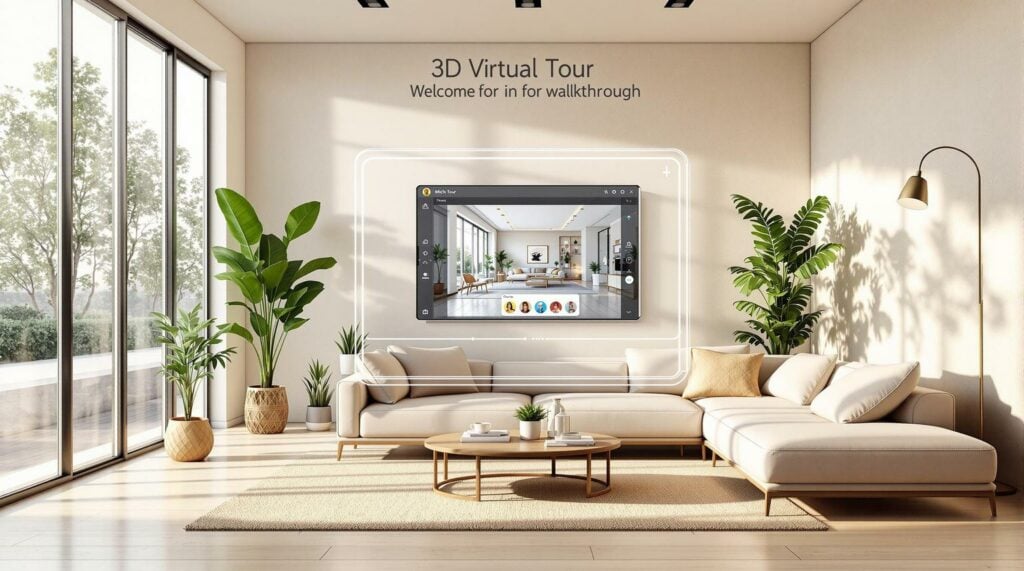
A luxury penthouse located in a global hub was sold to an overseas buyer through digital-first engagement. The agent provided a full VR walkthrough, bespoke video call presentations, architectural render overlays, and coordinated inspections remotely. The buyer completed the purchase largely without visiting until the final closing.
Because affluent buyers often operate globally, these remote capabilities enabled the sale.
Relevance: Demonstrates how technology-enabled remote selling is critical in luxury real estate, particularly for international clientele.
Data-Driven Repositioning of a Stagnant Listing

A luxury mansion had sat on the market for months with minimal traction. The agent switched tactics: swapped out visuals based on engagement analytics (highlighting the pool, garden, and view instead of interior rooms), adjusted ad targeting to narrower high-net-worth segments, and tweaked narrative copy. The repositioned listing saw a spike in leads and closed within weeks thereafter.
Relevance: This shows how data feedback loops can salvage underperforming luxury listings.
Benefits of an Advanced Luxury Real Estate Approach
Adopting strategies and technology in luxury listing brings compounded benefits. Below are key advantages, with practical impact:
- Better Lead Quality and Efficiency
Because your messaging, channels, and media attract qualified buyers, you reduce wasted showings and focus resources on serious prospects. - Premium Pricing Potential
When your presentation, story, service, and exclusivity align, you justify stronger price positioning and may receive offers above expectation. - Faster Sale Timelines
In luxury real estate, momentum is crucial. A well-curated launch with strong visuals and media can generate early interest and reduce days on market. - Scalable Marketing with Lower Friction
Technology and automation allow you to scale high-end marketing efforts (drip campaigns, retargeting, analytics) without proportional increases in manual effort. - Brand & Reputation Growth
Premium listings done well build your credibility in the luxury niche. Over time, your portfolio enhances your brand and leads to referrals and elite listings. - Global Buyer Access
With immersive technology and digital tools, you can reach buyers across continents, not limited by physical proximity. - Service Differentiation
When the buying process itself feels luxurious, private communication, seamless transaction, and bespoke touches, it reflects positively on your professionalism and builds trust.
Use Cases: Real-Life Scenarios Where This Approach Helps
Use Case: Owner Relocates Overseas Before Selling
A homeowner accepts a job abroad before their luxury property sells. Using virtual tours, remote presentation, secure documents, and curated digital marketing, the agent manages the sale process nearly fully remotely and still achieves a premium result.
Use Case: Unique or Architecturally Distinct Property
When a home deviates from standard styles (e.g., contemporary design, extreme geometry, artistic elements), comparables are weak. Success depends on narrative, media, and targeting niche buyer segments (design lovers, collectors). The strategies above help frame uniqueness as value rather than risk.
Use Case: Relisting a Stagnant Luxury Property
If a luxury listing fails to attract offers in its initial cycle, repositioning with a new narrative, refreshed media, tighter targeting, and intelligent sequencing (private preview, then public release) can renew interest and drive conversion.
Use Case: Marketing to International or Non-Local Buyers
Many luxury buyers come from different cities or countries. A property must be presentable in digital form (VR, video, drone), and the buyer must feel confident without full physical access initially. The outlined methods support remote decision-making.
Frequently Asked Questions
Q1: How long does a luxury real estate sale usually take?
Luxury sales generally take longer than average homes, often several months up to a year, depending on the market, price point, and local demand. The right launch, momentum, and positioning can accelerate that timeline, but patience and persistence are required.
Q2: Are these advanced strategies expensive to implement?
They often require higher upfront investment in premium photography/videography, staging, media production, technology tools, but in luxury markets, those investments often yield proportional returns since commission revenue is far higher. Well-executed premium spend often pays off.
Q3: Can ordinary agents transition into luxury real estate successfully?
Yes, with dedication to elevating their brand, understanding affluent buyer psychology, investing in high-end marketing, and assembling the right team (stagers, media producers, tech tools). Transitioning takes time, but many agents successfully move into luxury markets following the strategies outlined.