Luxury Home Selling Strategies: How to Sell Luxury Homes Successfully
Selling a luxury home is a different ballgame than selling a standard residential property. The stakes, expectations, buyer behavior, and marketing demands are far higher. If you’re preparing to sell a high-end property, you must adopt premium strategies across every step: pricing, presentation, marketing, negotiation, and closing. This guide offers deep insight, practical examples, benefits of leveraging technology, use cases, and answers to common questions to help you succeed in luxury home selling.
The Unique Nature of Luxury Home Sales
Luxury homes are characterized by distinctive features that set them apart: desirable locations, exceptional architecture, premium materials, smart home systems, views, privacy, bespoke amenities, and often a degree of legacy or prestige. What qualifies as “luxury” is context-dependent; million-dollar homes in one region may be standard in another, but across markets, they demand elevated treatment.
Because the buyer pool is smaller and more selective, strategy matters intensely. A misstep in pricing or marketing can result in extended days on market, price erosion, or missed opportunities. Unlike mass housing, luxury real estate sells through emotion, narrative, and perception just as much as it does through bricks and mortar.
To excel, you must treat the property as a premium brand rather than simply a listing. Every touchpoint, visual, narrative, and experience must support the luxury promise.
Foundational Strategies Before Listing
Assemble the Right Team
To sell a luxury home, enlist an agent or team with demonstrable success in high-end real estate. They should have broad networks among affluent buyers, familiarity with luxury marketing, and experience managing sensitive, high-value transactions. Many luxury agents also bring access to international buyers, private networks, and curated marketing channels.
Your supporting team should include a top-tier photographer/videographer, drone/film specialists, interior stager or designer, landscape consultant, and possibly PR or media partners. In luxury sales, every detail adds or detracts from perceived value.
Craft a Compelling Narrative and Positioning
Luxury buyers buy stories as much as spaces. Before listing, define the story of the home: architectural design philosophy, the lifestyle it enables, special experiences (sunsets over water, privacy, gardens, wellness, art spaces). That narrative should underlie all marketing from listing copy to video scripts to brochures.
Positioning is also about exclusivity. Some luxury sellers use staged soft opens, invite-only previews to the agent network or qualified buyers, rather than broadcasting far and wide at first. This approach preserves prestige and signals confidence.
Optimal Pricing Strategy
Pricing a luxury home is more art than formula. High-end markets often don’t have many comparable sales (comps), so you must balance ambition with realism. Overpricing leads to market stagnation; underpricing can signal desperation or undervalue the property. Many luxury agents recommend pricing to attract early interest, then allowing competitive offers to drive value upward.
One useful tactic is anchoring: you list at a confident premium, then negotiate from a high starting point. The listing should be defensible with a clear rationale (amenities, design, location, upgrades) so prospective buyers understand why it sits above average.
Technology’s Role in Elevating Luxury Home Sales
In modern luxury real estate, technology is not optional—it is essential. High-net-worth buyers often expect seamless, immersive, and premium digital experiences. Here are key tech tools to integrate:
Immersive Virtual Tours, 3D & VR
Virtual reality (VR) tours and 3D walkthroughs allow buyers, especially remote or international ones, to explore your property with lifelike fidelity. They can see scale, light, views, and flow long before booking an in-person visit. These tools build confidence, pre-qualify interest, and reduce wasted showings.
Drone Cinematography and Aerial Mapping
Drone footage offers sweeping aerial perspectives, highlighting property context: land, proximity to amenities or nature, surrounding vistas, and architectural relationships. These overhead views amplify scale and storytelling, elevating listings beyond ordinary photos.
Analytics & Buyer Engagement Tracking
Luxury listing platforms and agent dashboards often provide analytics on visitor behavior: which photos they linger on, which rooms they revisit, how long virtual tours are viewed, or which features attract most attention. Use these insights to adjust which visuals to highlight, tweak messaging, or reallocate marketing resources.
Predictive analytics may also signal when to adjust price or marketing tactics based on market response or buyer feedback.
Precision Digital Marketing & Targeted Reach
Unlike general listings, luxury marketing demands targeting wealthy demographics: income brackets, asset profiles, interest in art, travel, design, and lifestyle. Social media (Instagram, LinkedIn), luxury property portals, high-end magazines, digital ads with geofencing, remarketing, and content marketing are vital.
Also, branded microsites or landing pages dedicated to the property with high-resolution visuals, video, storytelling, and immersive media create a distinct space for buyers to engage deeply.
Real-World Examples & Case Uses
Here are illustrative examples (conceptual or actual) showing how luxury home selling strategies and technology were applied successfully, and what lessons they offer.
Example 1: Coastal Modern Estate

This property emphasized indoor/outdoor living, spectacular sunsets, and integration with nature. The listing strategy included twilight drone footage, cinematic lifestyle video, and immersive virtual tours. The narrative framed sunrise rituals, wellness, and exclusivity.
Because many potential buyers were overseas, the VR and high-fidelity media enabled qualified parties to shortlist without travel. The home sold within months for above asking.
Lesson: For properties with unique natural assets (waterfront, views), immersive media and narrative amplify buyer emotional connection.
Example 2: Architectural Masterpiece in a Gated Community
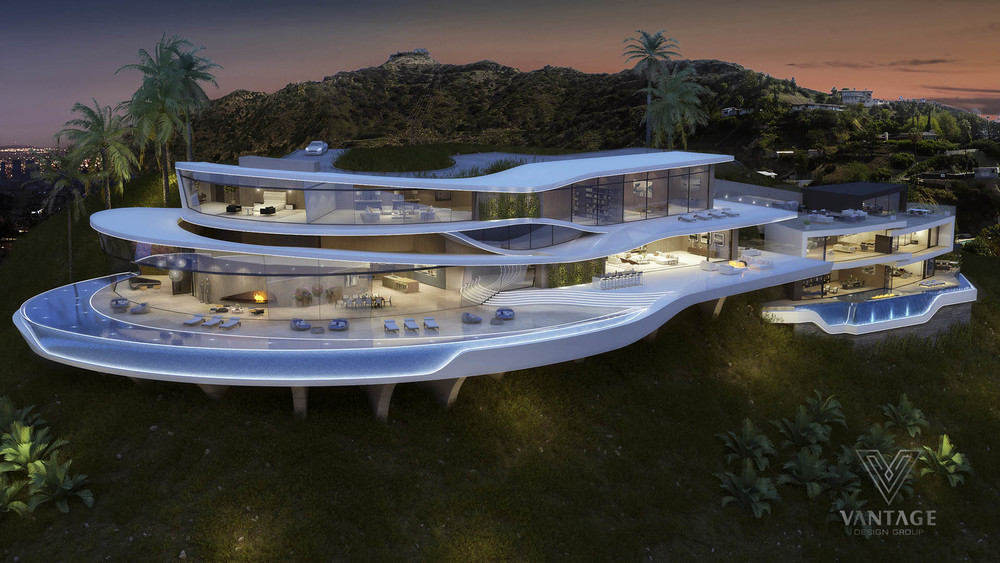
This home’s strength was its design pedigree (renowned architect), bespoke materials, and integrated art collection. The marketing highlighted design story, craftsmanship, rare materials, and a narrative of architectural legacy.
Agents hosted private previews for design and art networks, leveraged architecture publications, and employed high-end photography. The buyer was likewise a collector, drawn to the story and distinctiveness.
Lesson: When design or architecture is a differentiator, marketing must communicate quality, vision, and creative lineage, not just features.
Example 3: Luxury Penthouse with Skyline Views

Because many buyers were corporate executives or international investors, remote engagement was critical. The listing used 3D tours, drone fly-through, and video sequences timed with golden hour. They created a luxury microsite for the property and promoted it via targeted social media ads aimed at high-net-worth segments.
The buyer made much of their decision based on the immersive digital experience before visiting in person.
Lesson: For urban luxury properties, technology can enable long-distance sales, attract global buyers, and reduce friction in the early stages.
Example 4: Historical Estate with Heritage Appeal
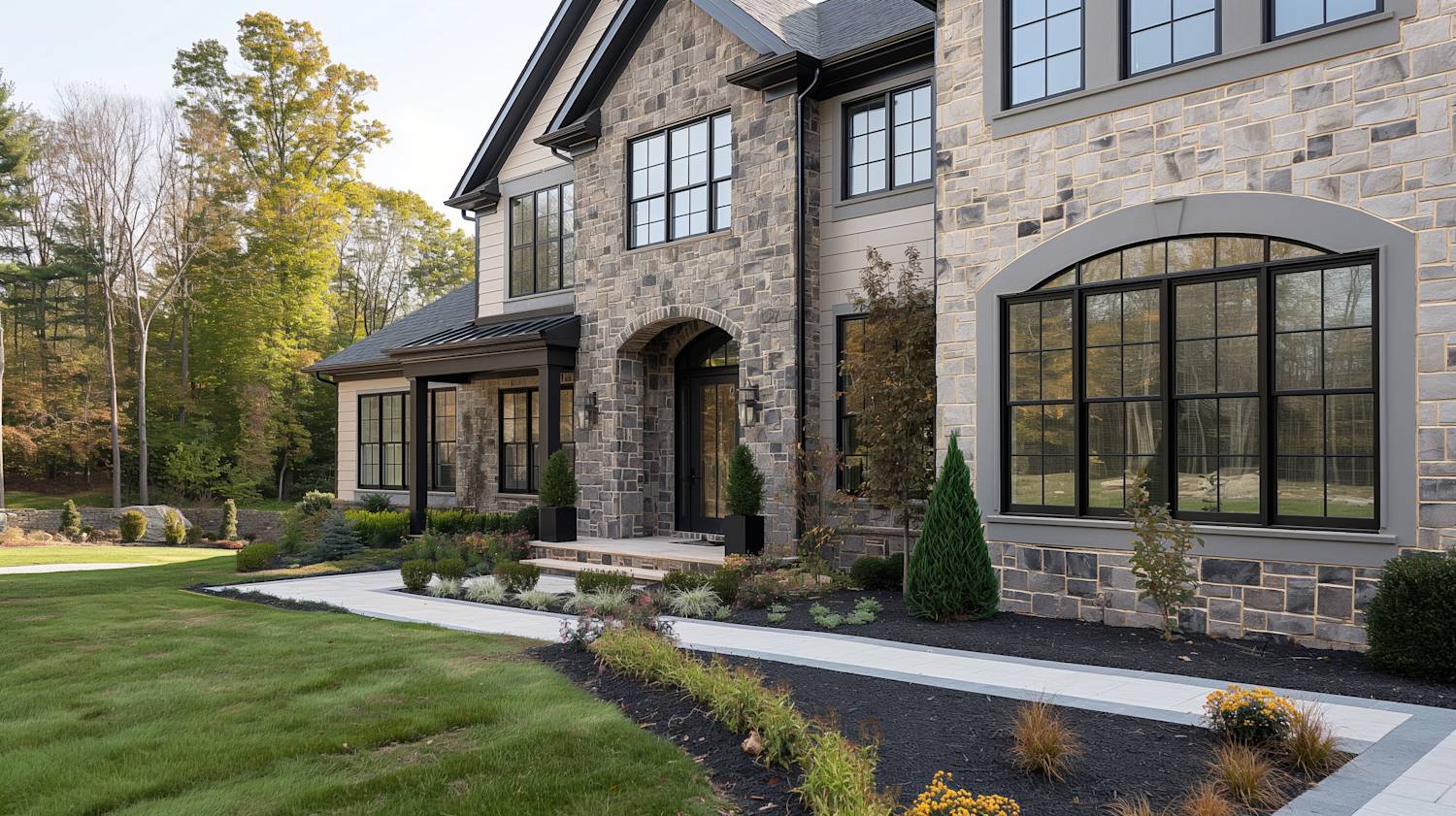
This listing combined heritage narrative (architectural era, lineage, gardens) with modern upgrades (smart systems, wellness suite). The marketing integrated historical storytelling, lifestyle vision, and modern luxury amenities.
They hosted invitation-only garden events, classical concerts, and design previews to engage elite prospects. The sale closed after multiple bidders who appreciated both legacy and modern perfection.
Lesson: In heritage or legacy properties, your story is part of the product. Blending past and present can attract emotionally driven buyers.
Benefits & Practical Advantages
Deploying a well-executed luxury home selling strategy with technology and narrative delivers multiple tangible benefits.
- Higher Quality Buyer Leads
You attract buyers who match your target profile, not general browsers. That means fewer wasted showings and more meaningful offers. - Price Enhancement & Premium Bids
With compelling visuals, narrative, and perception of exclusivity, you increase the chance of competitive offers and premium pricing. - Faster Time to Sale
While luxury markets can be slow, well-positioned listings with momentum and high-impact marketing often outpace comparables. Early traction is crucial. - Operational Efficiency & Reduced Friction
Virtual tours, digital document handling, and buyer engagement tracking streamline logistics, reduce miscommunication, and accelerate decision-making. - Prestige and Marketing Leverage
A successful luxury sale enhances your brand, reputation, and future listing opportunities. It becomes a showcase for your marketing capacity. - Global Reach & Remote Transactions
You can engage international buyers and close more of the buyer process remotely, an increasingly important advantage in globalized real estate.
Use Cases: When Luxury Strategies Are Critical
Here are scenarios where the refined, technologically enabled luxury selling approach solves specific challenges:
Use Case: Out-of-Town or Overseas Sellers
Sellers living abroad or relocating cannot manage frequent showings or oversee staging. Through immersive media and digital tools, the listing process can run largely remotely, with qualified buyers doing preliminary tours from afar.
Use Case: Unique or Custom Homes Without Comps
Custom designs, avant-garde architecture, or highly personalized luxury homes often lack comparables. In those cases, narrative, branding, and media become your valuation arsenal. Buyers invest in vision and differentiation.
Use Case: Discreet or Off-Market Listings
Some sellers want privacy, no public listing, no signs. By employing exclusive networks, private previews, invitation-only showings, and a digital “soft launch,” you can maintain confidentiality yet reach high-net-worth buyers effectively.
Use Case: Portfolio or Multi-Property Luxury Owner
For owners selling multiple high-end properties, deploying consistent branding, streamlined process tools, and shared marketing platforms helps manage complexity, maintain quality, and coordinate sales across properties.
Challenges & Risks to Manage
No strategy is without potential pitfalls. Be mindful of:
- Overinvesting in Cosmetic Upgrades: Some upgrades yield poor returns. Carefully assess which improvements truly add perceived value.
- Market Volatility: Luxury segments are sensitive to economic and sentiment shifts. What looks desirable today may face headwinds tomorrow.
- Inconsistent Branding or Messaging: Mixed visuals or narrative misalignment diminish credibility. Cohesion matters.
- High Holding Costs: Luxury properties cost more to maintain (security, landscaping, staff). Extended listing periods erode returns.
- Misjudging Buyer Psychology: High-net-worth buyers often purchase emotionally; focusing too much on features instead of lifestyle may reduce appeal.
- Neglecting Privacy & Security: Many luxury buyers demand confidentiality, controlled showings, and discretion. Exposure must be managed carefully.
Also, luxury properties often take longer to sell. The 2025 luxury housing market shows signs of softness; sales have declined slightly, and inventories have increased.
So, entering the market from a position of strength, quality, narrative, and precision is crucial rather than trying to push aggressively in weak conditions.
Best Practices & Seller Checklist
- Choose an agent with proven luxury experience and refined marketing capacity.
- Develop a narrative: story, lifestyle, differentiators.
- Invest in premium visuals: drone, twilight photography, video, VR/3D.
- Stage thoughtfully, quality over quantity.
- Use analytics and feedback to adjust visual emphasis or messaging.
- Launch with exclusivity (soft previews, private events) before broad exposure.
- Maintain control of brand, privacy, and showings.
- Monitor market response; be prepared to refresh marketing or pricing if momentum stalls.
- Prioritize security, confidentiality, and elite buyer experience at every touchpoint.
- Stay patient but vigilant. Momentum in luxury often builds, then accelerates.
Frequently Asked Questions
Q1: How long does it usually take to sell a luxury home?
Luxury homes often take longer than typical homes, anywhere from 3 to 9 months, depending on market conditions, pricing, and marketing strength. In strong markets with excellent marketing, some may transact faster.
Q2: Is it worth investing heavily in staging, media, and technology?
Yes, these investments often pay dividends. In luxury markets, buyers expect premium presentation. High-end visuals, immersive tours, and curated staging signal quality and attract better offers.
Q3: Should I market publicly or privately (off-market) my luxury property?
That depends on your priorities. Public listings maximize exposure and competition. Private or off-market approaches preserve exclusivity and privacy. Many luxury sellers adopt a hybrid: start privately among elite networks, then expand exposure if needed.